Registration Now Open: School of Civic Discourse Programs Available Through the Ministry of Education's GEFEN System
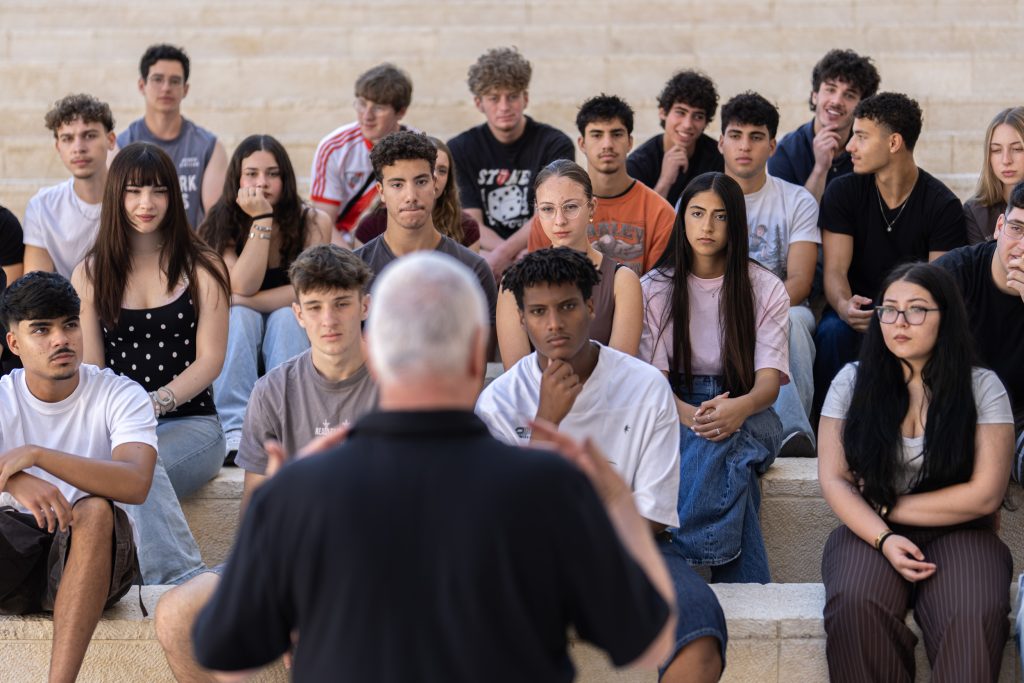
Social cohesion, active listening, and constructive dialogue are not built through theory alone. They develop through meaningful experiences, personal encounters, and hands-on learning. The Museum of Tolerance Jerusalem's School of Civic Discourse invites school principals, administrators, and educators to book full-day educational programs, workshops, guided tours, and professional development opportunities for students and educational staff.
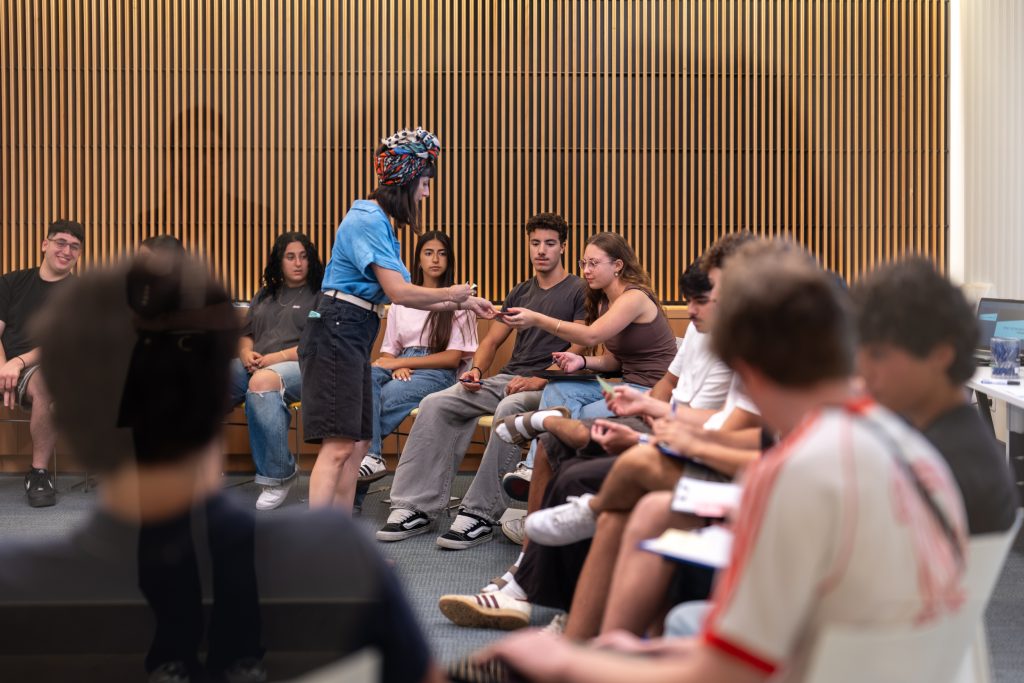
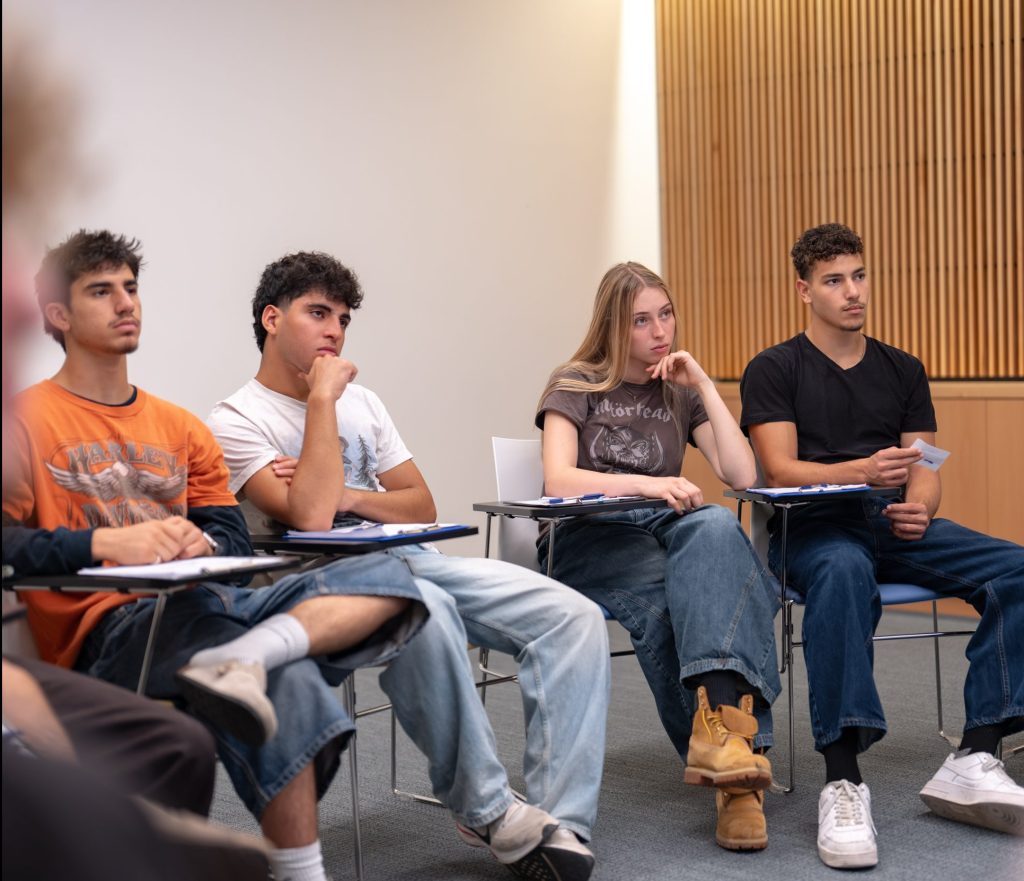
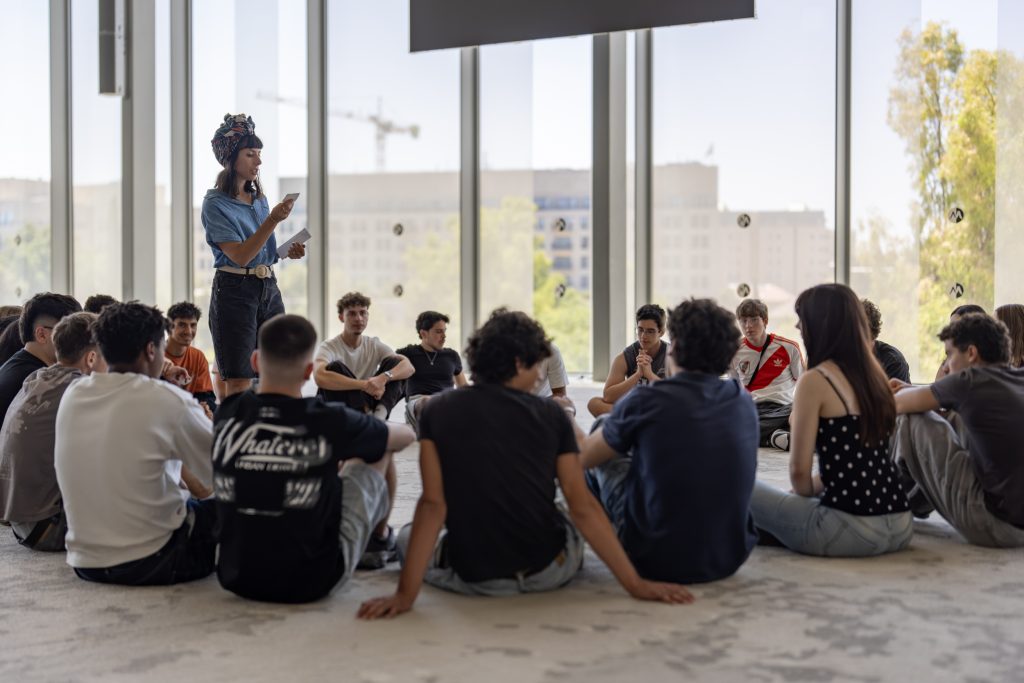
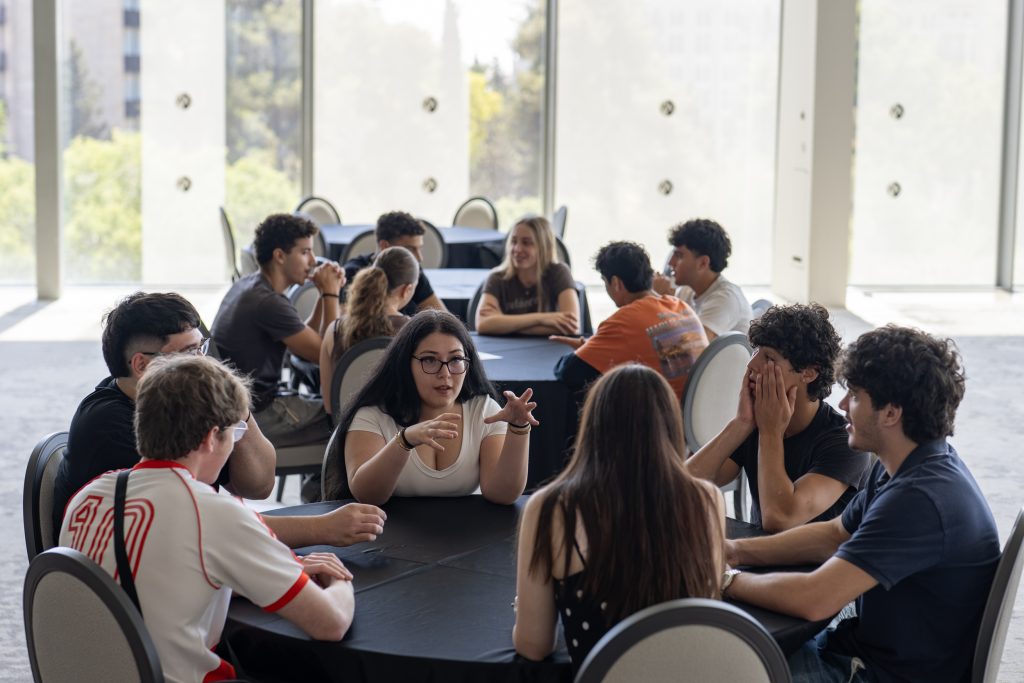
Held at the Museum’s campus in the heart of Jerusalem, these programs provide a dynamic learning environment that encourages critical thinking, reflection, and open dialogue. Participants engage in in-depth workshops, practical exercises, simulations, discussions, interactive experiences, and the exploration of the civic and public dilemmas shaping Israeli society today.
Among the featured programs is The Attention Economy: Who Controls What I Think?, which examines how social media, algorithms, and online influencers shape our attention, emotions, and opinions. Another program, The Power of Words: How Digital Content Shapes Our Opinions, teaches participants to identify misinformation, fake news, and manipulative content while developing critical media literacy skills and responsible online behavior.
Another workshop, Engineered For Outrage: The Political Forces Driving Polarization, explores how fear, anger, and the human need to belong are used to intensify polarization and deepen divisions in public and political discourse. Through case studies, experiential learning, and guided practice, participants gain a deeper understanding of the media and digital forces influencing their perspectives while developing tools for informed decision-making.
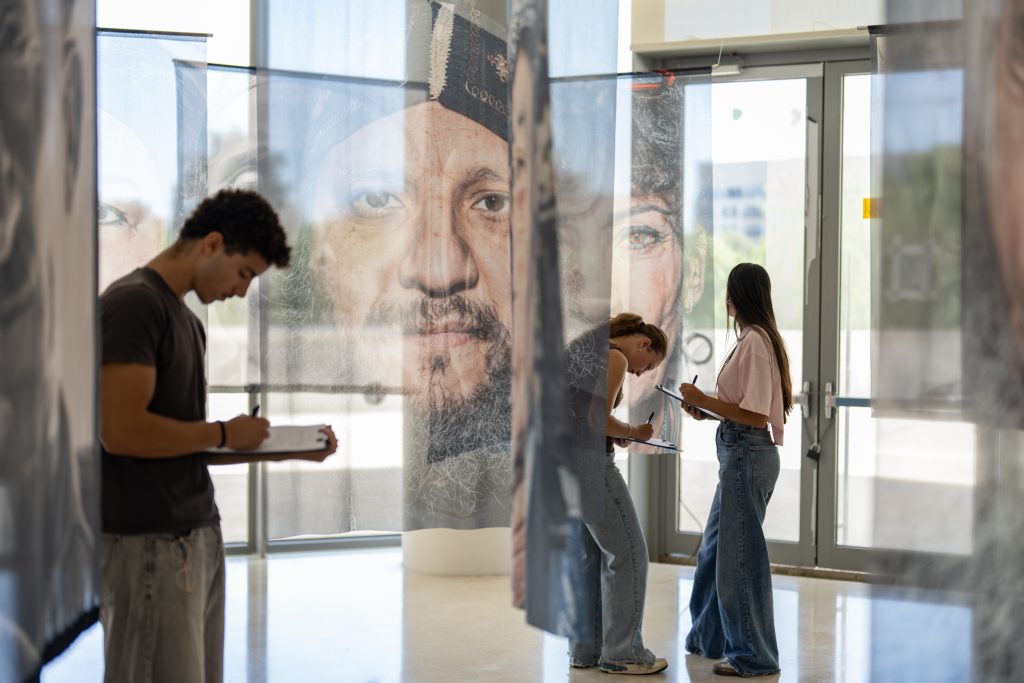
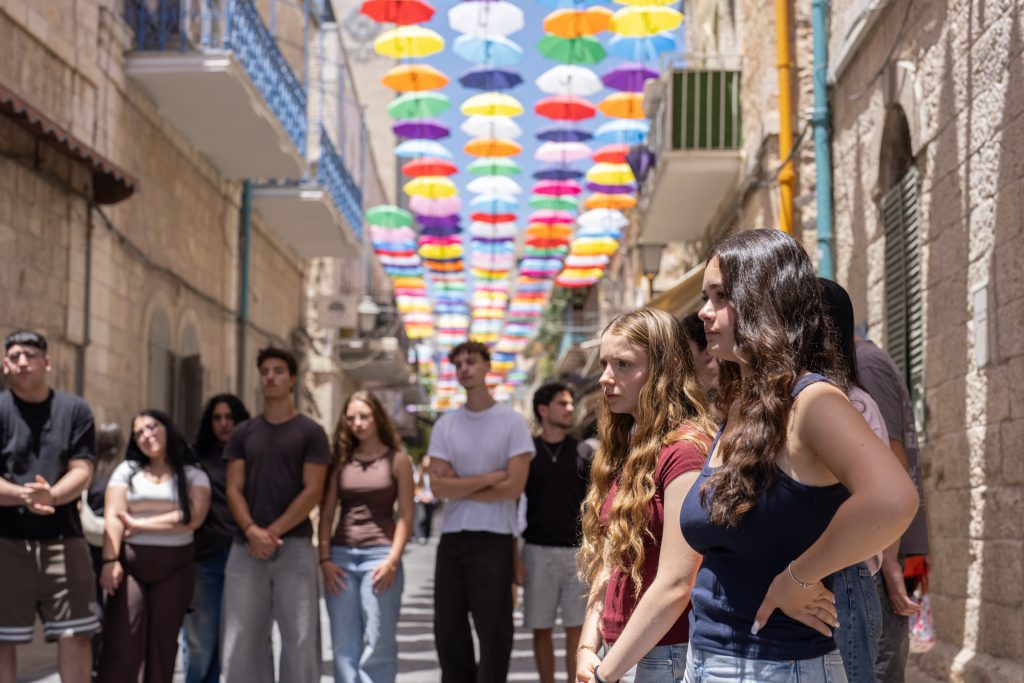
In A Journey Between Identities, students examine the many dimensions of personal, communal, and social identity, exploring how language, clothing, traditions, and a sense of belonging shape perceptions of “us” and “the other.” The program combines collaborative learning, group discussion, and a guided tour through Jerusalem that explores identity, stereotypes, and prejudice as part of the city’s shared social fabric.
The School also offers immersive educational programs focused on the philosophy and methodology of constructive disagreement. The Between Conflict and Polarity of Views explores the Jewish and Beit Midrash traditions of disagreement and the ethical boundaries of debate. Experiencing the Beit Midrash Method of Disagreement introduces participants to inquiry-based learning through simulations, questioning techniques, identifying areas of agreement and disagreement, and facilitating productive conversations. You’re Invited to Disagree examines how disagreement can become an opportunity for learning, collaboration, and strengthening shared society rather than a source of division.
In addition to student programs, the School offers dedicated workshops and professional development opportunities for educators. These programs equip teachers and school staff with practical tools for facilitating complex classroom discussions, navigating disagreements within the school environment, and fostering a culture of listening, responsibility, and mutual respect.
Programs are designed for a wide range of audiences across the education system, can be tailored to meet the needs of each group, and are recognized through the Israeli Ministry of Education’s GEFEN system.
For more information or to schedule a program >>