The Attention Economy: Who Controls What I Think?
Participants explore how digital and psychological forces shape our opinions, behaviors, and interactions within society.
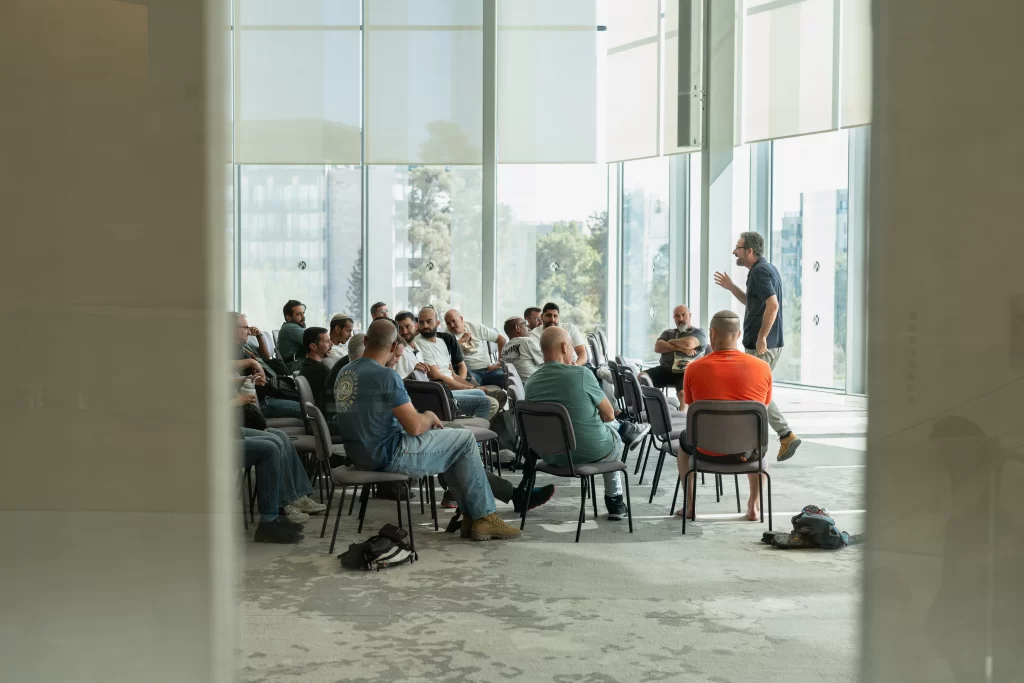
In an era in which human attention has become an economic, political, and cultural commodity, this seminar examines how digital platforms, algorithms, and psychological dynamics shape our opinions, emotions, and civic behavior. Through experiential learning and interactive activities, participants are invited to develop a critical awareness of the forces influencing them and to strengthen their sense of personal responsibility in the digital sphere.
Participants will explore the limitations of human attention and its role in shaping perception and decision-making. They will gain an understanding of the economic value of attention and learn to identify the strategies social media platforms use to capture, direct, and intensify our focus. The seminar also examines the influence of digital influencers, the distinction between expertise and influence, and the often subtle ways in which online content and personalities shape attitudes, beliefs, and public consciousness.
A central component of the seminar focuses on digital well-being, including an examination of the extent of our engagement with and dependence on digital environments, as well as their psychological, social, and interpersonal effects. Participants will leave with practical tools for navigating the online world more consciously and responsibly, strengthening personal judgment, and fostering civic responsibility in a digital landscape that profoundly influences our lives and the social fabric as a whole.
The Power of Words: How Digital Content Shapes Our Opinions
Participants explore how digital content exploits cognitive biases to manipulate opinions and shape public perception.
This seminar explores the power of texts, images, and social media posts in the digital sphere and how content leverages cognitive biases, emotions, and attention mechanisms to shape opinions, intensify beliefs, and construct perceptions of reality. Through analysis, discussion, and hands-on activities, participants develop the ability to understand how information spreads, how narratives are built, and what distinguishes reliable information from misinformation and manipulative content.
The seminar provides insight into the phenomenon of fake news on digital platforms and the challenges involved in identifying it. Participants examine the risks posed by false information to public discourse, civic trust, and the functioning of democratic societies. At the same time, they acquire practical tools for critically evaluating content, assessing the quality and credibility of information, and understanding its role in processes of social and political polarization.
A central component of the seminar focuses on the “digital trap” — how online platforms capture our attention, amplify emotional responses, and influence the formation of opinions and beliefs. Through the examination of real-world examples, including the analysis of social media posts and their impact, participants explore both the personal and societal responsibilities of being consumers and creators of information.
The seminar also addresses digital well-being, examining the extent of our engagement with and dependence on digital environments, as well as their psychological, social, and interpersonal effects. Participants are introduced to practical tools and guiding principles for navigating the digital world consciously and responsibly, while strengthening personal and social resilience in an increasingly connected age.
Optional: Jerusalem Tour on Stereotypes, Identity, and Public Space
“Pride and Prejudice in the Capital City” is an experiential tour that explores how narratives, identities, and stereotypes are formed and expressed within the urban landscape of Jerusalem.
Engineered for Outrage: The Political Forces Driving Polarization
Participants explore the psychological, emotional, technological, and political forces that deepen polarization and division between social groups. The seminar examines how individuals are often influenced by larger systems and interests that shape public discourse and social identity.
In an era of charged political discourse and emotionally amplified media, anger has become a powerful force in shaping opinions, identities, and social affiliations. This seminar examines how psychological, cognitive, emotional, and technological mechanisms influence us, often without our awareness, contributing to a reality marked by polarization, delegitimization, and social division.
Through experiential learning, case study analysis, and interactive exercises, participants are invited to develop a critical understanding of the political and media forces that shape public consciousness, while strengthening their personal autonomy in forming opinions and making decisions within a democratic society. The seminar seeks to help participants understand how anger, fear, and belonging are mobilized as political tools, while equipping them with the cognitive, emotional, and civic skills needed to navigate a complex reality in a thoughtful, responsible, and critical manner.
The seminar explores the nature of social and political polarization and its impact on democracy, public discourse, and both individual and collective identity. Participants examine how populist political culture, “us versus them” narratives, and social media platforms functioning as emotional and cognitive amplifiers can intensify feelings of intimidation, anger, and alienation. Through guided activities, participants learn to identify the cognitive biases and psychological needs that shape human behavior, as well as the ways these tendencies can be exploited by digital platforms, media outlets, and political messaging.
At the heart of the seminar is the question of personal responsibility and civic autonomy: How can we cultivate greater awareness, reclaim our capacity for informed and independent judgment, and respond to attempts at “engineering consciousness” without being drawn into cycles of reactivity and anger? The seminar offers practical tools for critical engagement in both public and digital spaces, while also exploring the relationship between digital well-being, personal welfare, and social resilience as foundations for a democratic society that is thoughtful, responsible, and inclusive.