At the Museum of Tolerance Jerusalem, Yom HaZikaron Was Marked in Silence, Song and the Voices of Those Left Behind
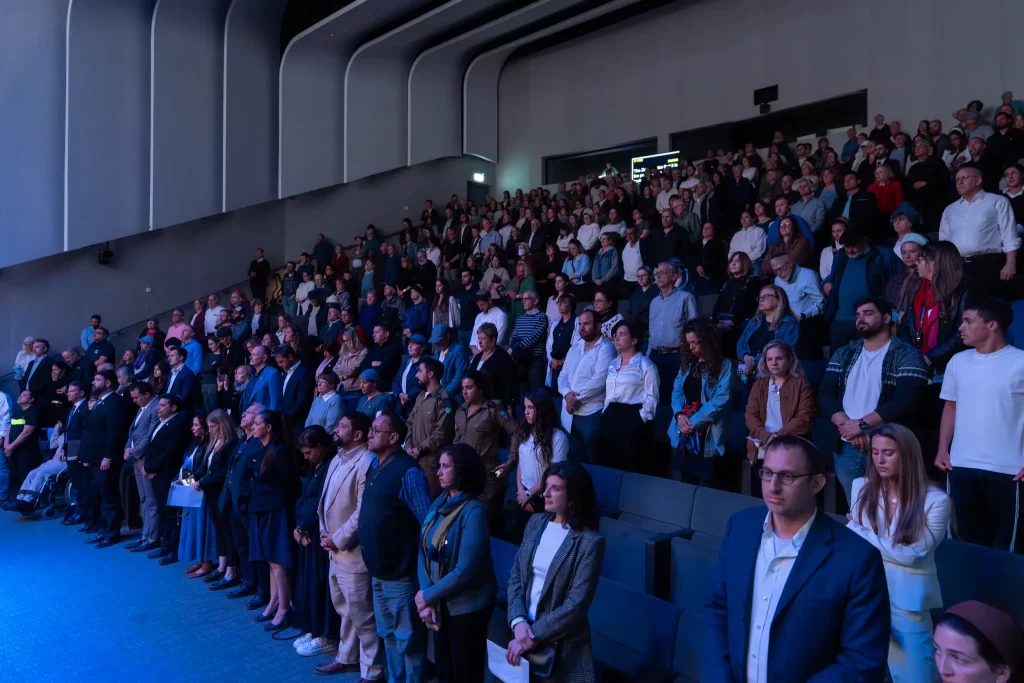
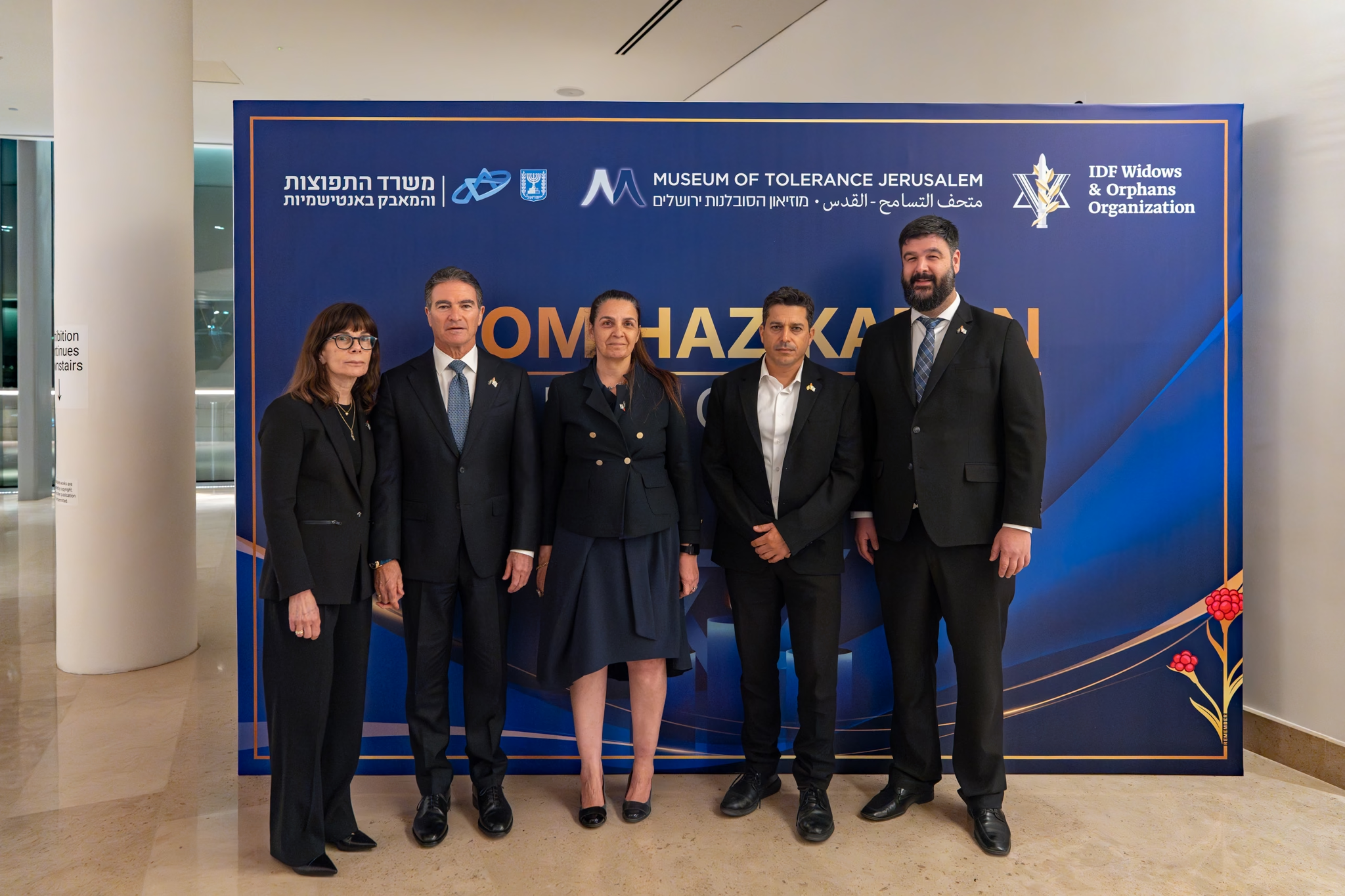
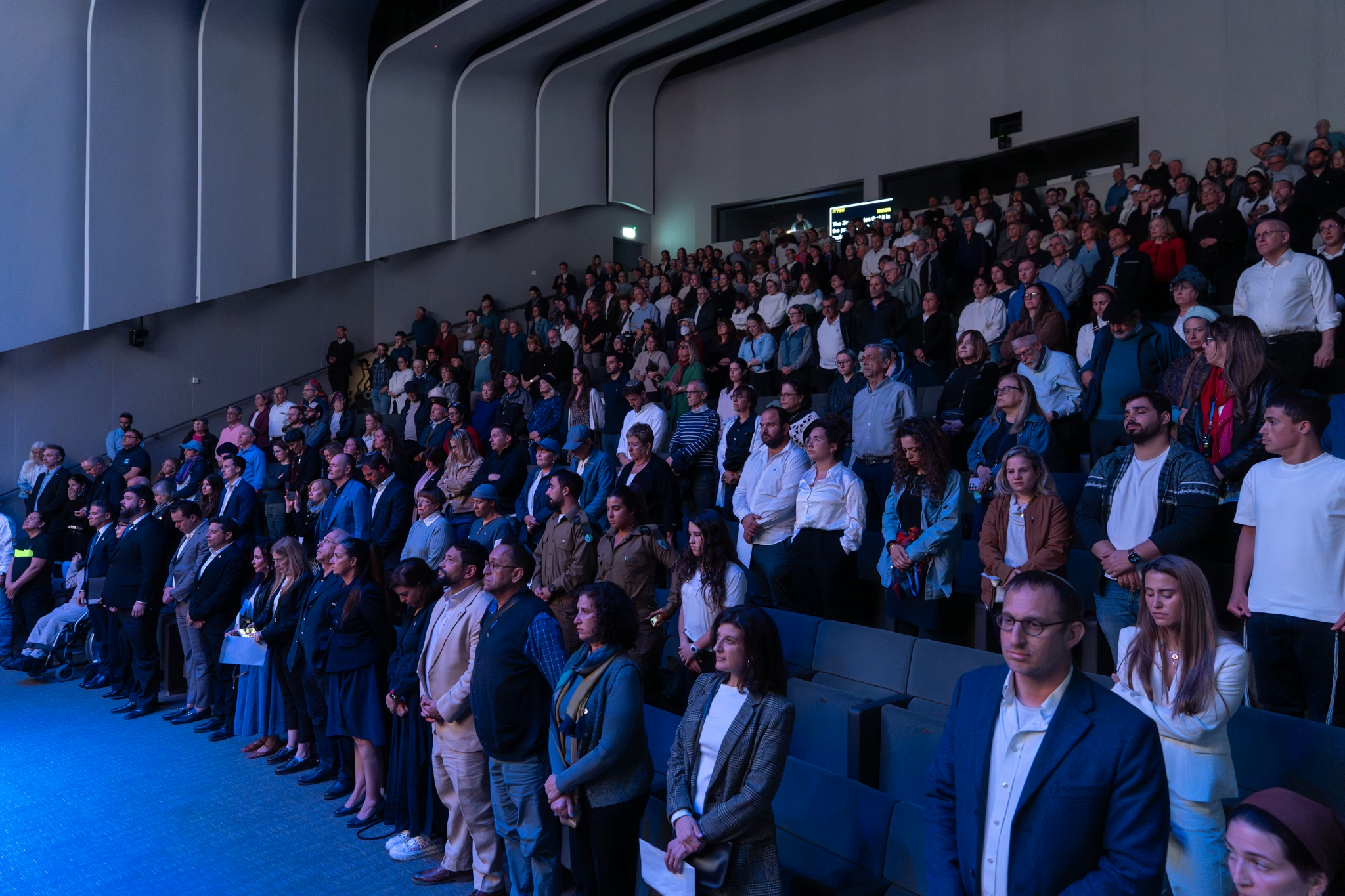
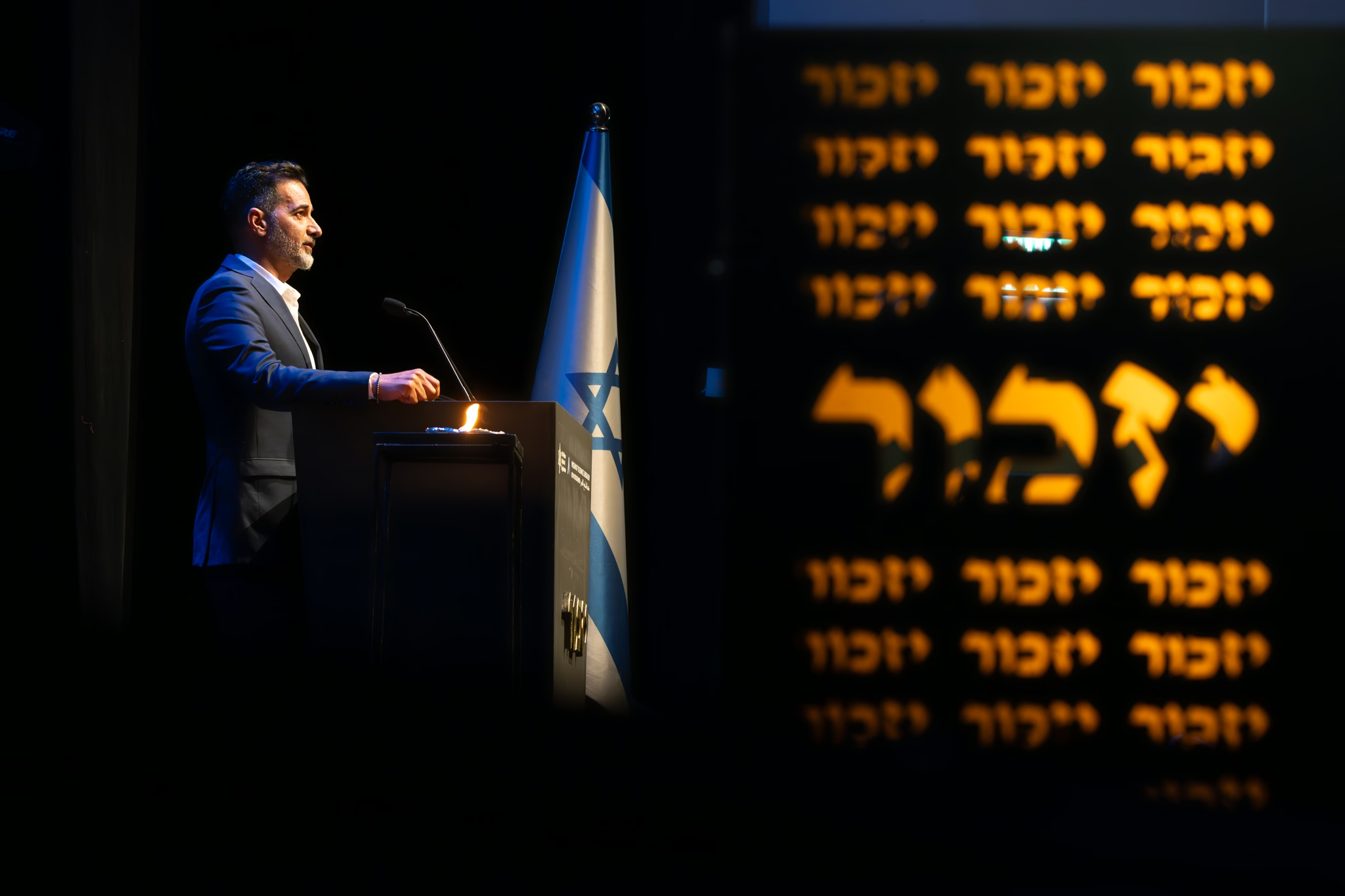
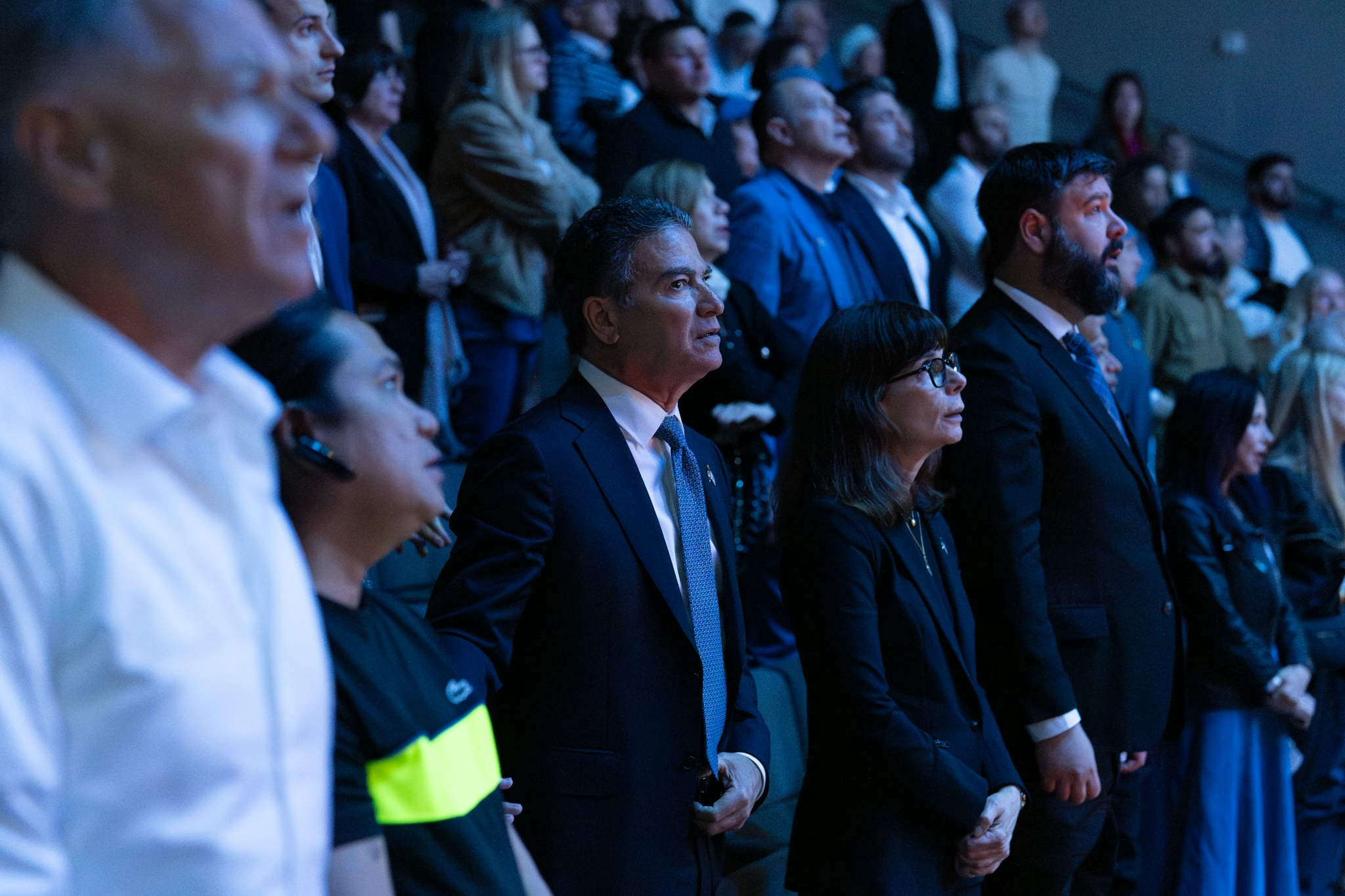
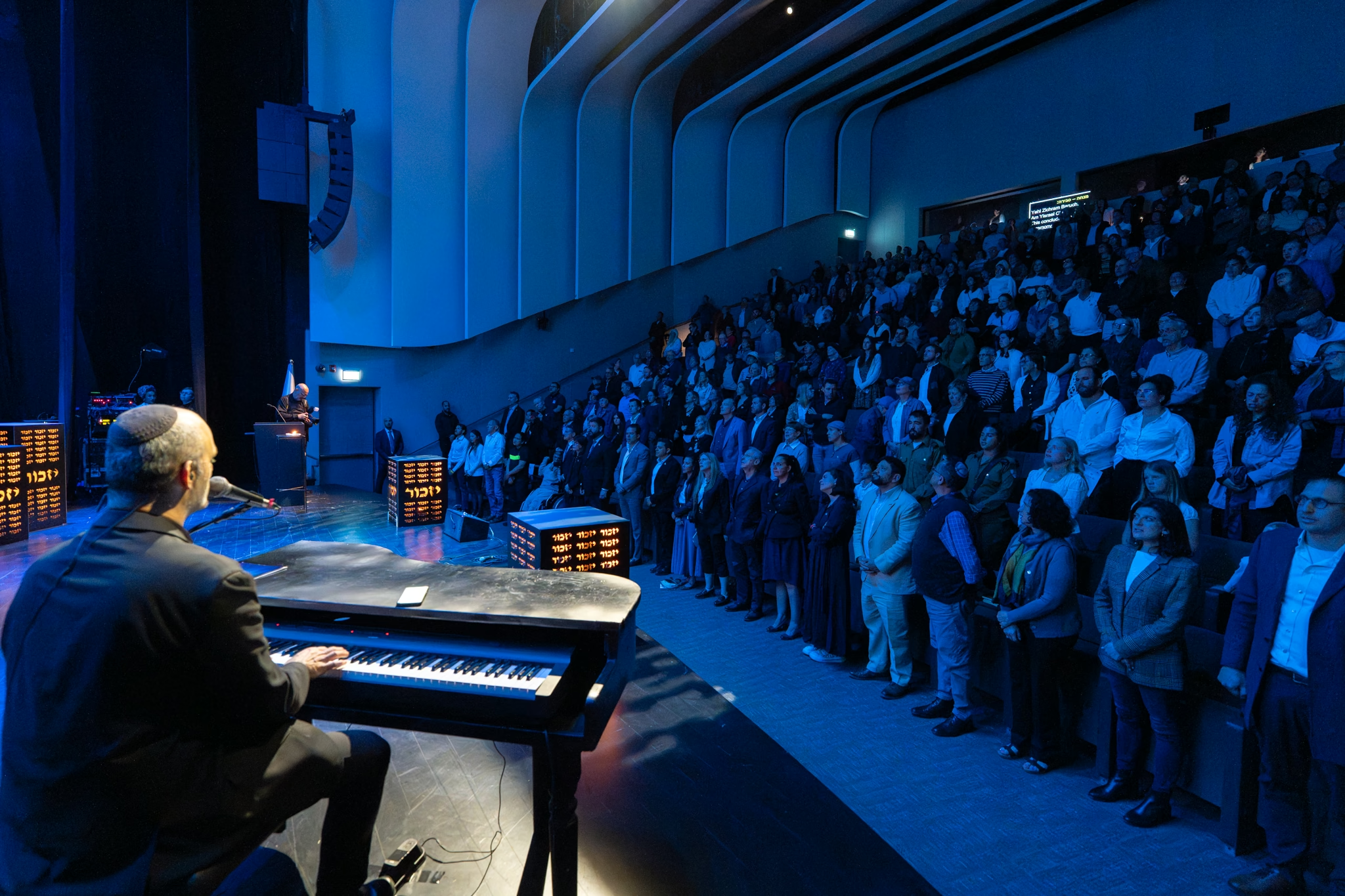
As the siren sounded on Monday night inside the Museum of Tolerance Jerusalem, the Ed Snider Auditorium fell into the kind of silence that seems to suspend time. Families of the fallen, public figures, and guests sat together in stillness as Israel marked Yom HaZikaron, in a ceremony hosted by the museum, in partnership with the IDF Widows & Orphans Organization & the Ministry of Diaspora Affairs and Combatting Antisemitism. The ceremony brought together bereaved families, public figures, diplomats, and guests. Among them were Yossi Cohen, former director of the Mossad and president of the International Friends Association of the IDF Widows & Orphans Organization, Amichai Chikli, Minister of Diaspora Affairs and Combatting and Shlomi Nahumson, CEO of the IDF Widows & Orphans Organization.
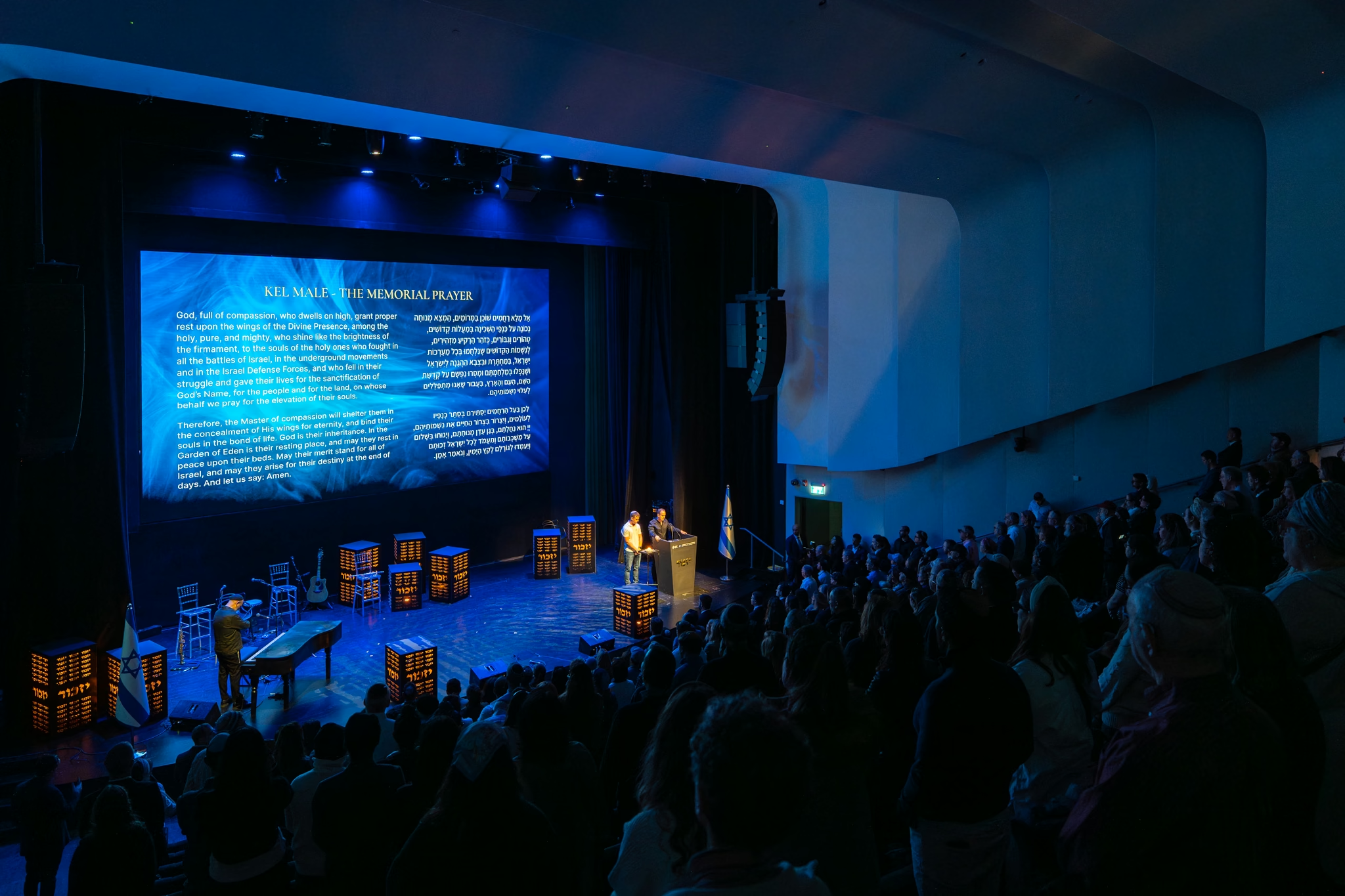
At the outset, Museum of Tolerance Jerusalem representatives framed the night as one not only of remembrance, but of moral responsibility. The museum, they said, exists to uphold dignity, dialogue and humanity, but Yom HaZikaron is a reminder that the ability to speak of tolerance at all has come at a cost. In that sense, the venue was more than a backdrop. It became part of the meaning of the evening itself.
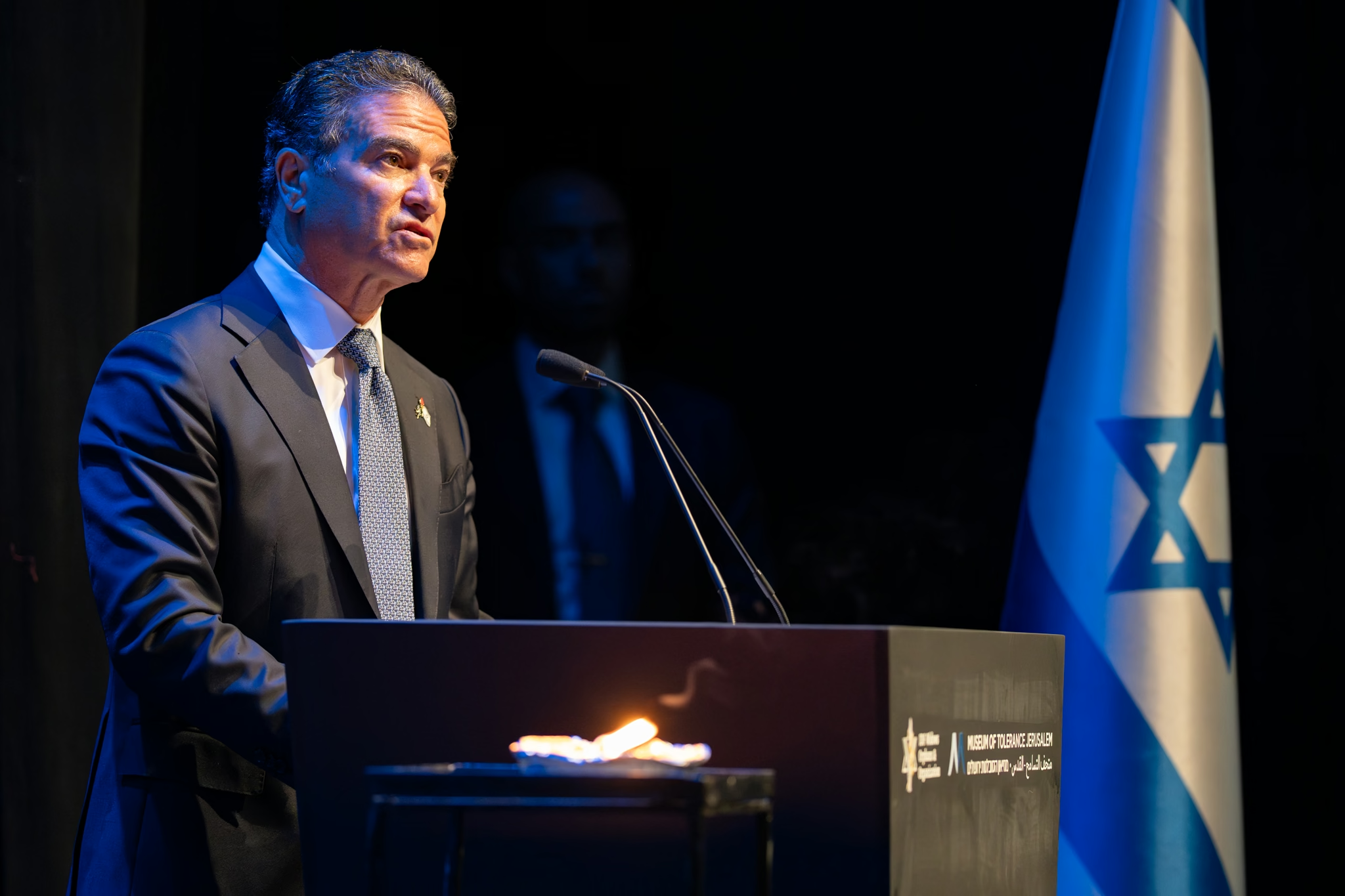
Former Mossad Director Yossi Cohen gave the ceremony its central public voice. Speaking directly to bereaved families in the audience, Cohen said the fading of the siren did not bring an end to what it represented. “The siren has fallen silent, but the memory continues,” he said. He called the families “the backbone of the State of Israel,” and drew a line between those who fought in secret and open campaigns and those who now bear the burden of continuing life without them. “They were the heroes of clandestine operations and overt campaigns,” he said, “and you are the heroes of the life that follows.”
Cohen’s remarks gave national language to the themes that returned throughout the evening: that bereavement is not sealed off in the past, that sacrifice does not end with death, and that memory becomes a daily labor for those left behind. The work of the organization, he said, does not end with memorial ceremonies, because the families’ struggle is ongoing, “to keep smiling, to build, to be rebuilt from the fragments.”
That quieter, private struggle was perhaps expressed most piercingly in the testimonies of bereaved women and children.
Kimi Alush offered one of the evening’s most intimate moments in a letter addressed to her sons after the death of their father. Her husband, Daniel Alush, was killed in September 2024 in a helicopter crash in Rafah during a rescue mission with Unit 669, leaving behind Kimi and their two young sons, Tommy and Nico. Her story also carried an intergenerational echo: Kimi is the daughter of Ankie Spitzer, whose husband André Spitzer was murdered in the 1972 Munich Olympics. In a letter addressed to her boys, Alush spoke of the relentless repetition of grief inside daily life. “You don’t just lose daddy once. You’ll lose him over and over and over again. A thousand times, in a thousand different ways. Everyday. Sometimes, multiple times in a day,” she said. Later, she added: “It’s hard to turn the page when you know someone won’t be in the next chapter. But turning the page doesn’t mean forgetting. It means carrying him with us, in the love he gave and the strength he left behind. He would want us to keep writing.”
One of the ceremony’s most moving moments came through the story of Sgt. Maj. Yossi Hershkovitz, told by his children and carried into the room through song. Hershkovitz, a father of five and principal of a Jerusalem school, was 44 when he was called up after October 7. Though no longer required to serve in reserves, he told his wife he could not forgive himself if he did not go to help communities near Gaza. Two weeks after the war began, he entered Gaza with his team from the north. Two weeks later, he was killed, together with three fellow soldiers, in the explosion of a booby-trapped tunnel.
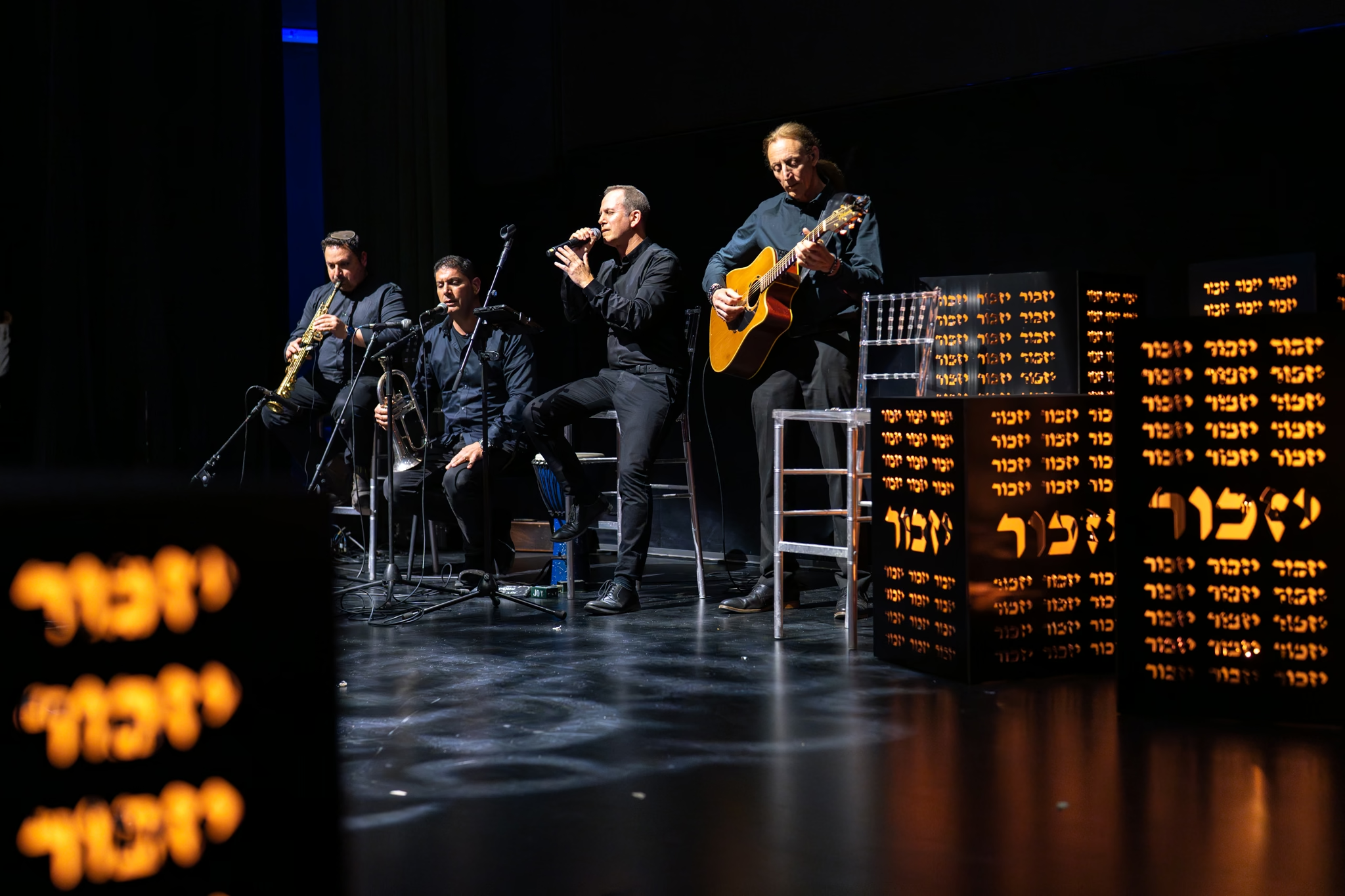
But what his family chose to share that night was not only the story of his death, but of a melody he left behind. During the fighting, a fellow commander heard Hershkovitz quietly humming a tune he had composed to the words, “Even though I walk through the valley of the shadow of death, I will fear no evil, for You are with me.” After Hershkovitz was killed, the melody briefly seemed lost, until it suddenly returned to the commander at the funeral. On Monday night, the family performed it together with singer Yonatan Razel, transforming one soldier’s final source of strength into one of the evening’s most unforgettable tributes.
Another of the ceremony’s most powerful voices was Orit Mark Ettinger, who has lived through repeated, devastating loss over the course of a decade. In 2016, her father Michael Mark was murdered in a terror attack and her mother was critically wounded. In 2019, her brother Shlomi was killed during his service in a classified security position. During the current war, she also lost her cousin Elhanan Kalmanson and later her younger brother Pedaya in Gaza.
She gave voice to a feeling often left unspoken in public memorial culture: “Everyone knows them. They’re famous, heroes. But actually, I don’t like that. I just want them alive, like in the past, walking on the street, dancing with me, laughing, crying, but just alive, not like dead heroes. And at the same time, they are actually heroes, and I’m so proud of them.”
That may have been the thread that bound the evening together. Not only the language of sacrifice, but the stubborn insistence on the lost as parents, siblings, spouses and children, as people with voices, melodies, habits, hugs and places at the Shabbat table.
By the time the ceremony reached its close, the silence of the siren had been filled with prayer, testimony and song. The audience rose for Hatikvah. What remained in the hall was grief, certainly, but also something more durable: the sense that memory lives most powerfully in the people asked to go on carrying it.